

Migraines can be more than just a headache. They often bring intense pain, sensitivity to light and sound, nausea, and difficulty concentrating. While many people rely on medications for relief, others look for natural alternatives to support their migraine management routine. One option that has gained significant popularity is the use of essential oils.
But the big question remains: Do essential oils for migraines actually work? In this article, we explore the science behind essential oils, the most effective options, and how they may help reduce migraine symptoms naturally.
What Are Essential Oils?
Essential oils are concentrated plant extracts obtained from flowers, leaves, bark, roots, and other plant parts. These oils contain natural aromatic compounds that give plants their distinctive scents and therapeutic properties.
For centuries, essential oils have been used in aromatherapy, traditional medicine, and wellness practices to promote relaxation, reduce stress, and improve overall well-being.
Today, many people use essential oils for migraines as part of their natural headache relief strategy.
Can Essential Oils Help With Migraines?
While essential oils cannot cure migraines, research suggests that certain oils may help relieve symptoms or reduce migraine triggers such as stress, tension, anxiety, and poor sleep.
The effectiveness varies from person to person. Some migraine sufferers report noticeable relief, while others experience minimal benefits. Essential oils are generally considered a complementary approach rather than a replacement for prescribed migraine treatments.
Potential Benefits Include:
- Promoting relaxation
- Reducing stress and anxiety
- Easing muscle tension
- Supporting better sleep
- Providing a cooling or soothing sensation
- Helping manage headache discomfort
Best Essential Oils for Migraine Relief
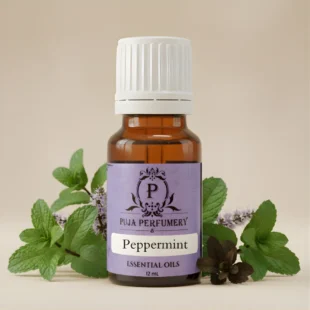

1. Peppermint Essential Oil
Peppermint is often considered one of the most effective essential oils for migraines because of its cooling menthol content.
The active compound menthol creates a cooling effect that may help relax muscles and improve blood flow.
Benefits:
- Cooling sensation on the skin
- May reduce tension headaches
- Helps improve mental clarity
- Refreshing aroma that can ease discomfort
How to Use:
Dilute a few drops with a carrier oil and apply to the temples, neck, and shoulders.
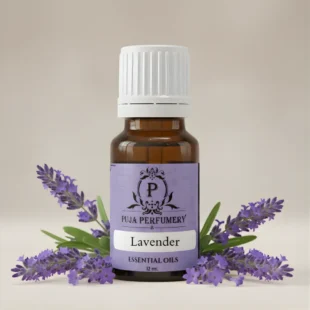
2. Lavender Essential Oil
Lavender oil is widely known for its calming and stress-relieving properties. Since stress is a major migraine trigger, lavender may be particularly beneficial.
Research has shown that inhaling lavender essential oil may help reduce migraine severity in some individuals.
Benefits:
- Promotes relaxation
- Supports restful sleep
- Helps reduce anxiety and stress
- Creates a calming environment
How to Use:
Add a few drops to a diffuser or inhale directly from the bottle.
3. Eucalyptus Essential Oil
Eucalyptus oil is often used for sinus-related headaches and congestion. If migraines are accompanied by sinus pressure, eucalyptus may provide some relief.
Benefits:
- Refreshing aroma
- Supports clear breathing
- Helps reduce feelings of pressure
How to Use:
Diffuse the oil or add it to steam inhalation.
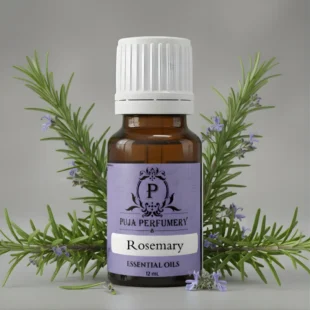
4. Rosemary Essential Oil
Rosemary has been used traditionally to help improve circulation and reduce discomfort.
Benefits:
- May help relieve tension
- Supports mental focus
- Refreshing herbal scent
How to Use:
Use in aromatherapy or blend with a carrier oil for topical application.
5. Chamomile Essential Oil
Chamomile is valued for its soothing and anti-stress properties.
Benefits:
- Promotes relaxation
- Supports emotional well-being
- May help improve sleep quality
How to Use:
Diffuse before bedtime or add to a relaxing massage blend.
What Does Research Say?
Scientific studies on essential oils and migraines are still developing, but some findings are encouraging.
Lavender Oil Research
Several studies suggest that inhaling lavender essential oil during a migraine attack may help reduce headache severity and associated symptoms.
Peppermint Oil Research
Menthol-based applications have shown potential benefits for headache management, particularly when applied topically to the forehead and temples.
However, researchers agree that larger clinical studies are needed to confirm the effectiveness of essential oils for migraine treatment.
Why People Are Turning to Essential Oils
As more people seek natural wellness solutions, essential oils for migraines have become increasingly popular among individuals looking to complement their existing migraine management routine. Their ease of use, pleasant aromas, and potential calming effects make them a preferred choice for those who want a holistic approach to headache relief. While results may vary from person to person, many users find that incorporating essential oils into their daily self-care practices helps create a more relaxing and migraine-friendly environment.
How to Use Essential Oils Safely
When using essential oils for migraines, always follow proper dilution and safety guidelines.
1. Dilute Before Applying
Never apply undiluted essential oils directly to the skin. Mix them with carrier oils such as:
- Coconut oil
- Jojoba oil
- Sweet almond oil
- Olive oil
2. Perform a Patch Test
Test a small amount on your skin before widespread use to check for irritation or allergic reactions.
3. Avoid Eye Contact
Essential oils can cause irritation if they come into contact with the eyes.
4. Use High-Quality Oils
Choose pure, high-quality oils from reputable brands to ensure safety and effectiveness.
5. Consult a Healthcare Professional
If you experience frequent or severe migraines, consult a healthcare provider before relying solely on essential oils.
Common Migraine Triggers to Watch For
Even the best essential oils may not be effective if migraine triggers remain unmanaged.
Some common migraine triggers include:
- Stress and anxiety
- Lack of sleep
- Dehydration
- Hormonal changes
- Bright lights
- Strong odors
- Certain foods and beverages
- Excessive screen time
Combining lifestyle improvements with natural remedies often provides better results than using any single solution alone.
Creating a Migraine-Friendly Aromatherapy Routine
A simple aromatherapy routine may help support overall migraine management.
Morning
- Diffuse peppermint or rosemary oil for mental clarity.
During Stressful Situations
- Inhale lavender oil to encourage relaxation.
Evening
- Use chamomile or lavender oil before bedtime to promote restful sleep.
Consistency is key. While results may not be immediate, regular use can contribute to a healthier and more balanced lifestyle.
Are Essential Oils a Natural Solution Worth Trying?
For many people, essential oils for migraines offer a gentle and natural way to support headache relief and overall wellness. Oils such as peppermint, lavender, eucalyptus, rosemary, and chamomile may help address common migraine triggers like stress, tension, and poor sleep.
Although scientific evidence continues to evolve, many users find aromatherapy to be a valuable addition to their migraine management routine. As with any natural remedy, results can vary, and essential oils should complement—not replace—professional medical advice when needed.





Leave a Comment
Your email address will not be published. Required fields are marked *